


Program Details

Location
Sicily,
Italy

Term
Summer Session

Housing
Apartment

Languages Taught In
English
Program Eligibility

Student Type
UofM Students

Student Year
Sophomores
Juniors
Seniors

GPA
2.5
Events & Info Sessions
There are currently no events for this program. Explore more events on our events page.
Photos

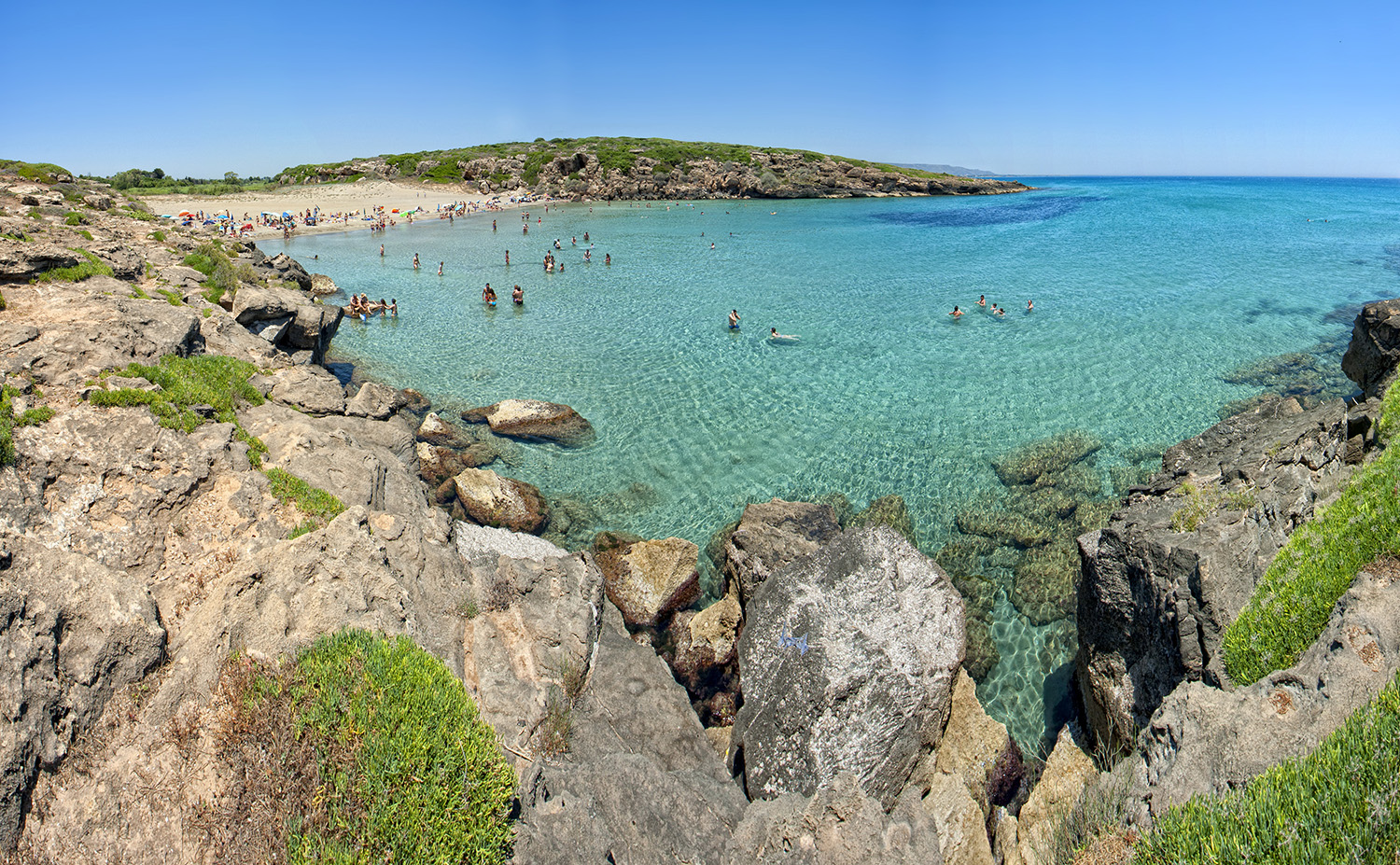
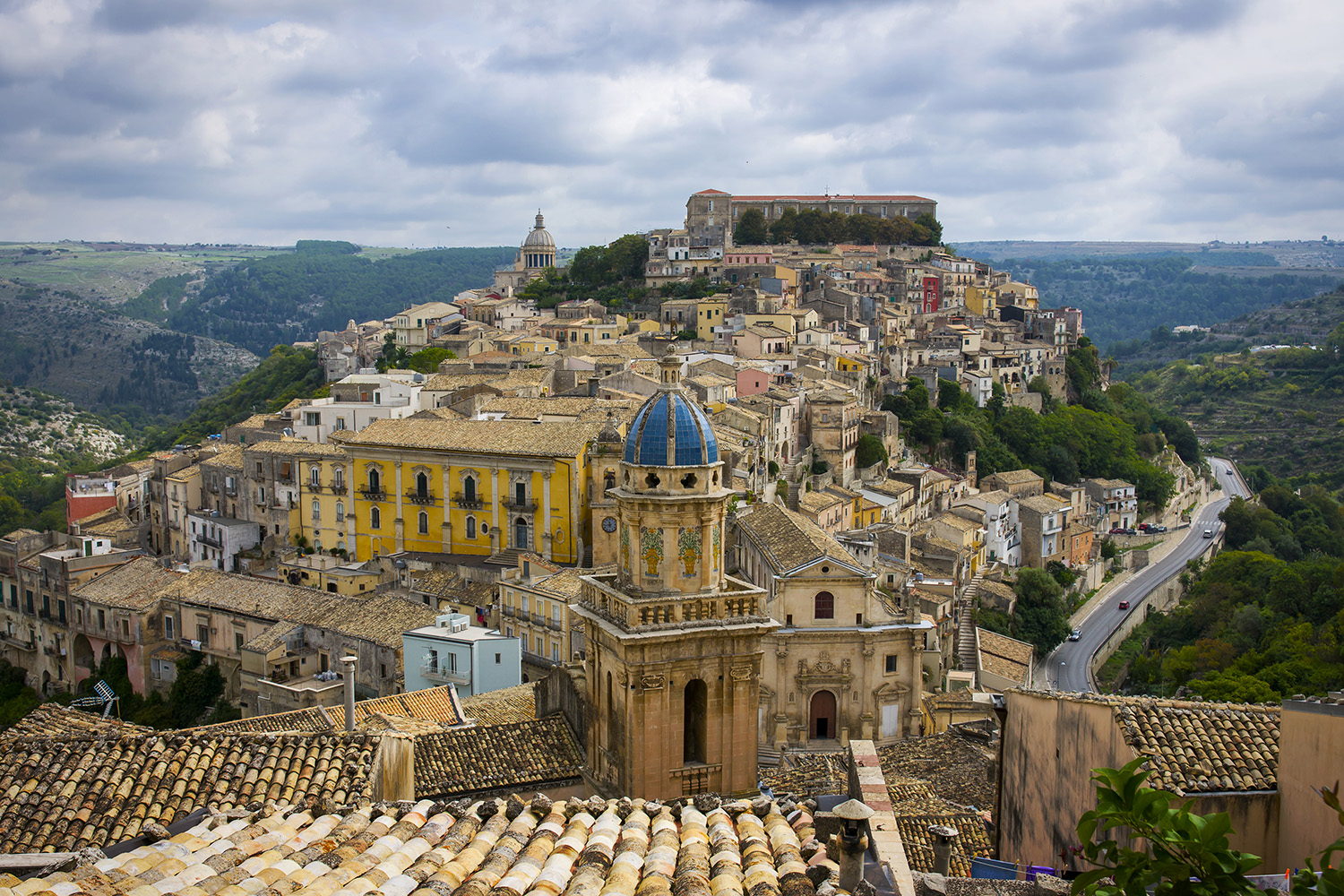

Videos
Neapolis Study Center
Ortiga Study Center
About
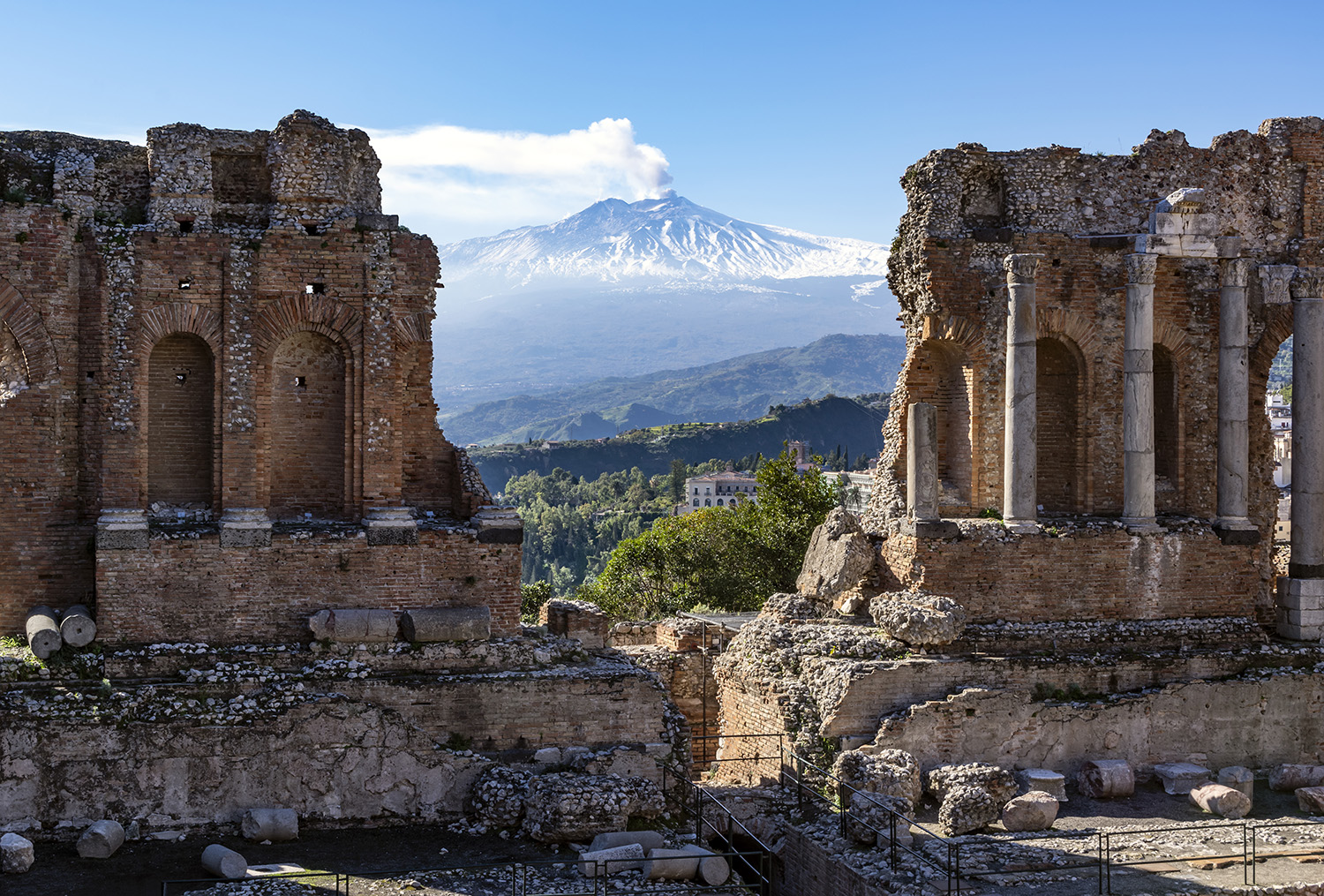
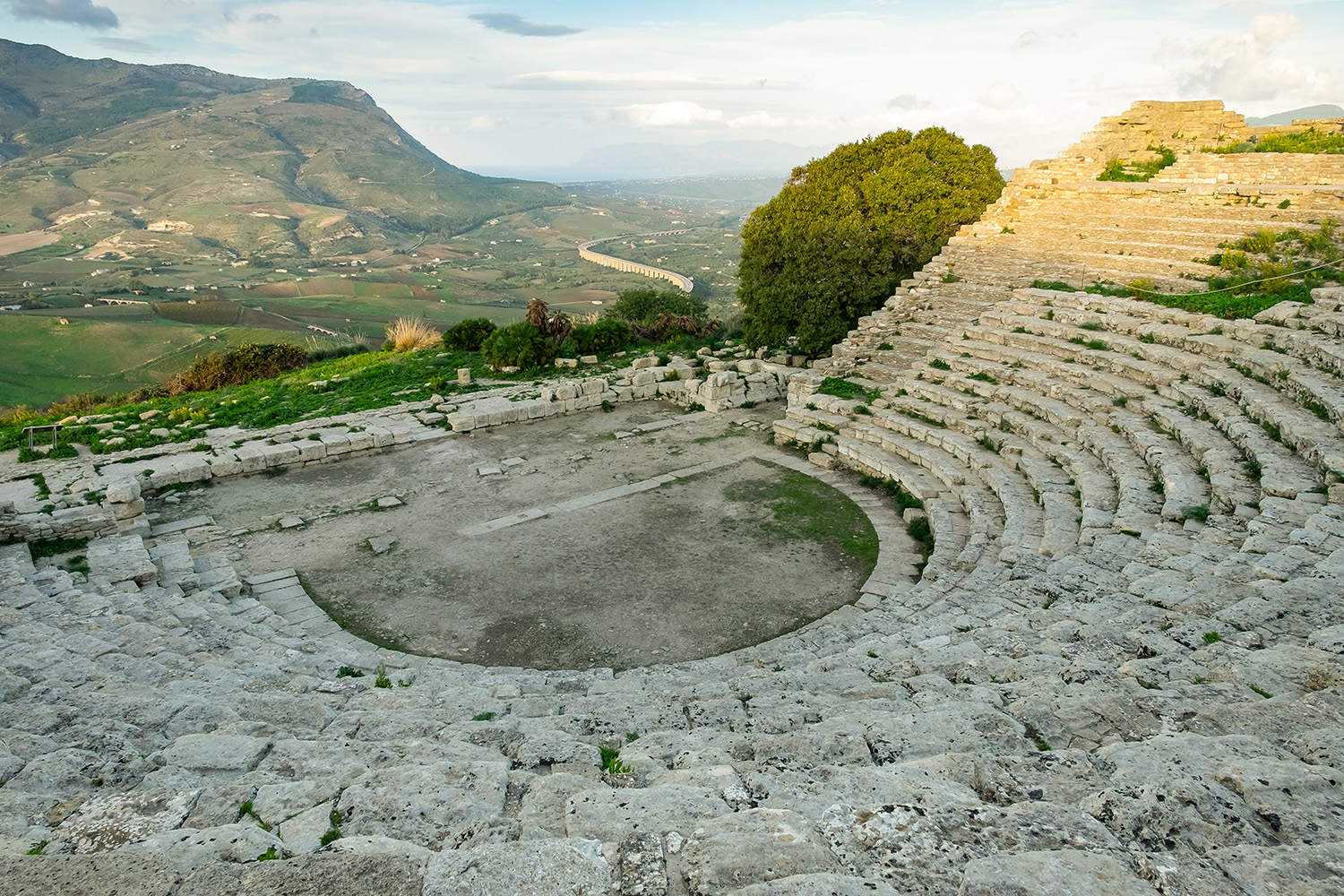
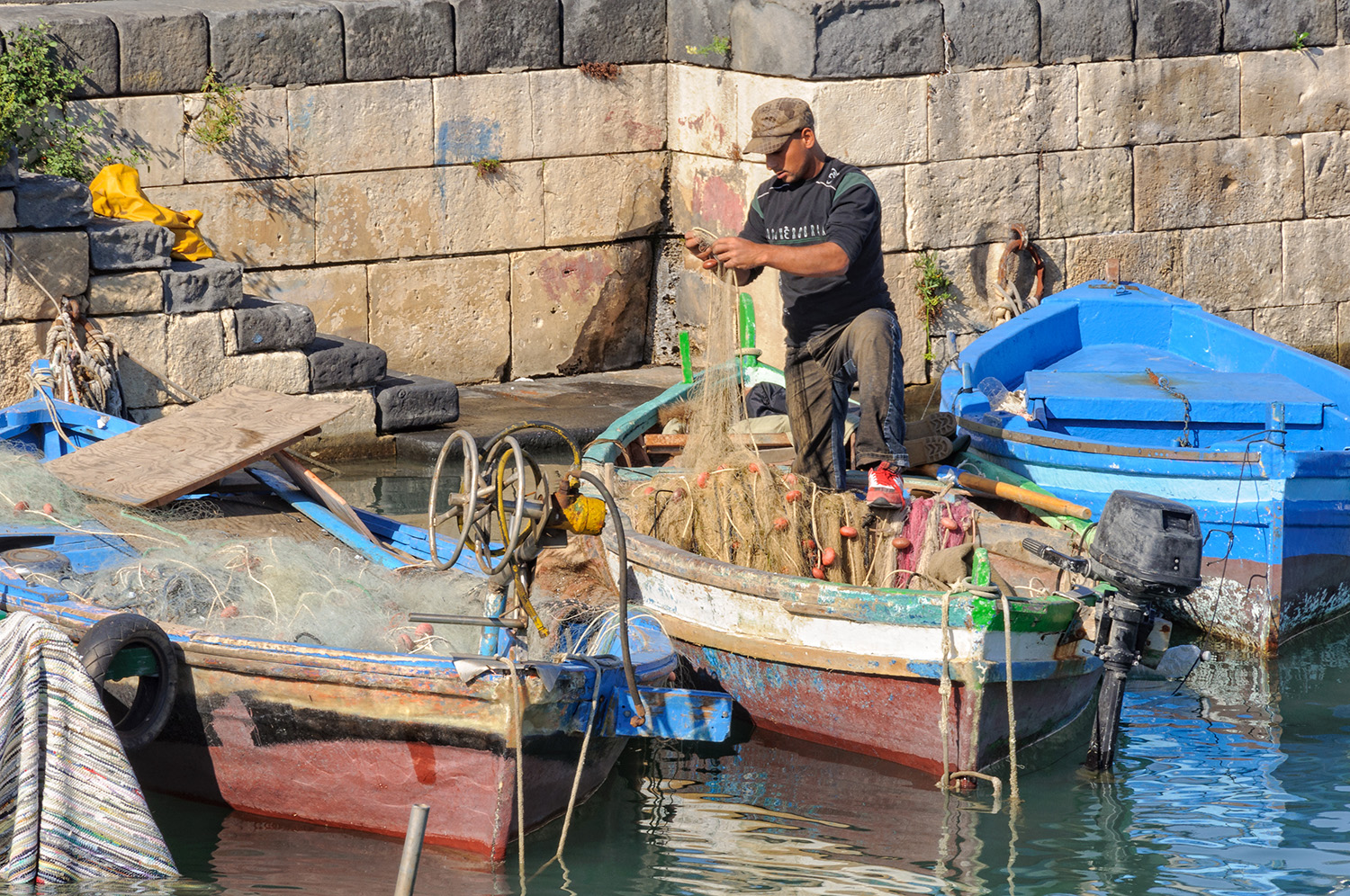
Known for its unique blend of cultures, Sicily is a fascinating place to spend a summer. With historical influences from the Greeks, Romans, Byzantines, and many more, it is a location unlike any other. Spend either 3 or 5 weeks of your summer delving into topics like human rights, migration, sustainability, and marine biology. Further immerse yourself in the culture by visiting local organizations relevant to your classes, doing research with a local human rights organization, or taking an Italian language course. Additionally, his program integrates full-day excursions to other areas around Sicily.
Housing & Meals
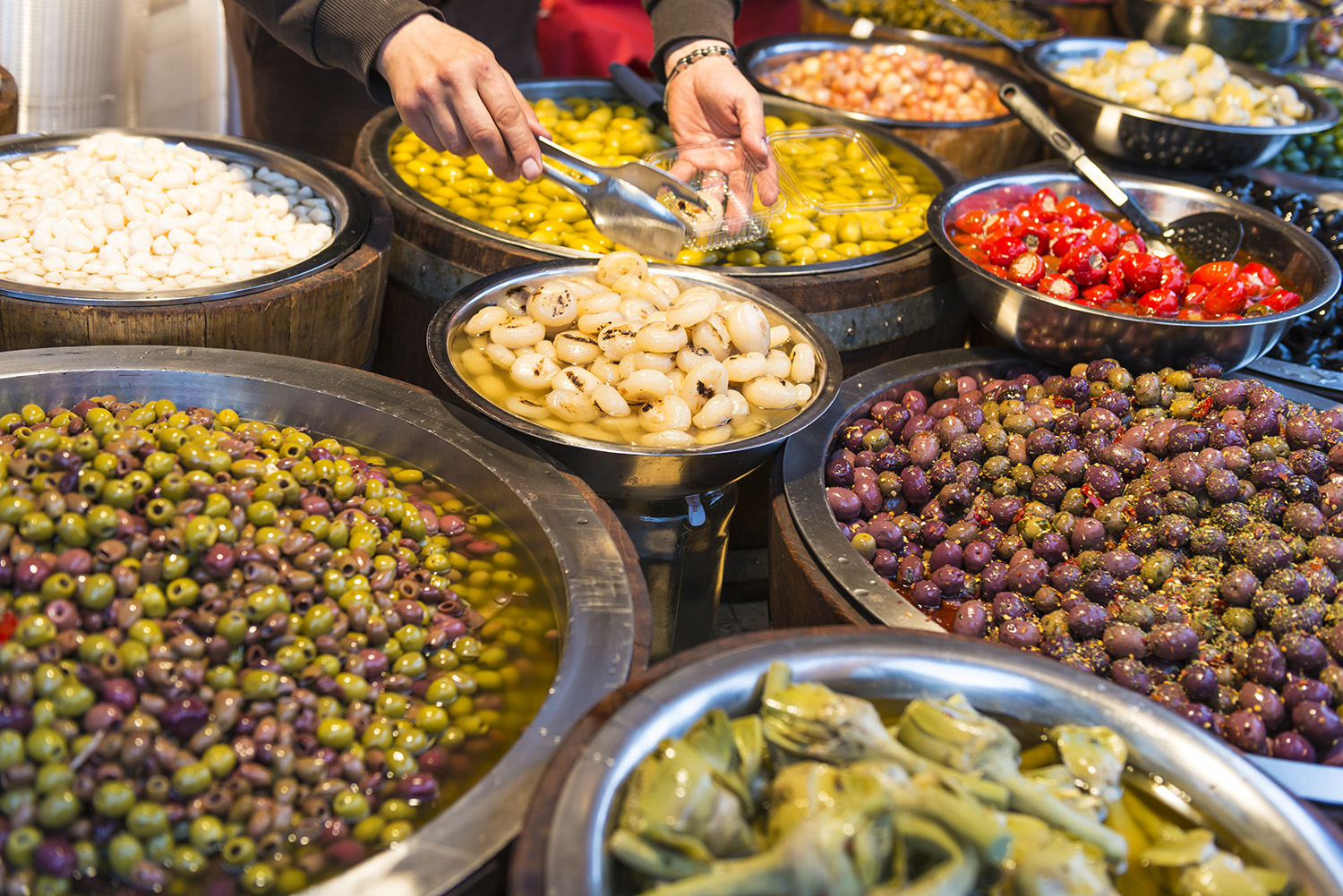
Live in furnished apartments with shared bedrooms with other students on the program. Generally apartments are 2–4 bedrooms, with 4–8 students per apartment. Meals are not included, but kitchen supplies are available for you to cook your own meals.
Excursions
Full day excursions around the island of Sicily will be included in the program fee. Excursions could include places like the Baroque cities of Noto and Modica, the ancient Greek art and architecture site of Valley of the Temples, the Necropolis of Pantalica, which dates from the 13th to 7th centuries BC, etc. Additionally, classes will have excursions around Siracusa and Catania, tied to course content.
Accessibility
If you have a disability and plan to study abroad, visit our Accessibility Abroad page to learn about considerations, answer questions, and request accommodations before you go abroad.
Flight
The Learning Abroad Center works with Travel Leaders, a local travel agency, to arrange a coordinated flight for program participants. The flight is optional, and is arranged for those who want to fly with other program participants. Group flight information is typically available by the program application deadline, if not before.
If you take the group flight, or are able to arrive before the group flight and wait, our staff will meet you at the airport and bring you to your housing at no added cost. If you do not take the group flight, you will need to make your own way to the center upon arrival. Specific arrival instructions will be sent out prior to your departure.
For immigration purposes, you should purchase a round-trip ticket, since you must be able to show your entry and exit dates from Italy.
Onsite Faculty & Staff
Program Structure
Program Level
3000 level courses
Courseload
Take 3–7 credits in the summer
Classes will be held in the Neapolis Study Center or the Ortigia Study Center (watch both videos to get a sense of each location!). These two centers are about a 30 minute walk apart.
Coursework
Choose to take one course on Session I or two courses on Session II.
All courses will incorporate excursions and local study tours around Sicily to engage you with the local culture. Check out the Full Course List for syllabi and brief course descriptions as well as University of Minnesota–Twin Cities course equivalencies.
Full Course List
Instructions for the Course Enrollment Form
- You will be enrolled in the courses you list on the Course Enrollment Form found in your LAC checklist, unless you hear otherwise from our office.
- On the form, indicate which session (Session I or Session II) you are participating in. Note that all students will select a course option from Session I, and students participating in Session II will also select either Research, Italian Language, or Marine & Coastal Ecology. Students taking the research course must also take either Migration, Human Rights & the Media (3 cr) or International Human Rights Law.
Beginning Italian I
Course ID
SCLY 1101
Terms
-
Fall
-
Spring
-
Summer I
-
Summer II
Credits
The course is designed for college students who are approaching the study of the Italian language for the first time.
Lessons are held exclusively in Italian and take into consideration the need to combine the study of lexis and grammar with the development of communication skills and cultural awareness. The instructor encourages you to put the language structures and vocabulary studied in class into practice in real life situations, accelerating the learning process and bringing you into contact with local society so that you may fully appreciate the way of life and cultural differences. This knowledge is an integral part of linguistic competence.
You will be assessed throughout the course and will take an end of course examination.
Language Taught In
- Italian
Beginning Italian II
Course ID
SCLY 1102
Terms
-
Fall
-
Spring
-
Summer I
-
Summer II
3
Credits
The course is designed for college students who already possess a basic level of Italian; can interact using simple phrases to present themselves, talk about work and studies, ask for and provide simple information on known ground, understand simple questions and basic information including descriptions, instructions and directions. Lessons are held exclusively in Italian and take into consideration the need to combine the study of lexis and grammar with the development of communication skills and cultural awareness. The instructor encourages you to put the language structures and vocabulary studied in class into practice in real life situations, accelerating the learning process and bringing you into contact with local society so that you may fully appreciate the way of life and cultural differences.
Language Taught In
- Italian
Intermediate Italian I
Course ID
SCLY 1103
Terms
-
Fall
-
Spring
-
Summer I
-
Summer II
Credits
The course is designed for college students who already possess an elementary level of Italian, can engage in short conversations on familiar topics, describe present and past job/studies and situations, and ask and answer questions about past and future events.
Lessons are held exclusively in Italian and take into consideration the need to combine the study of lexis and grammar with the development of communication skills and cultural awareness. The instructor encourages you to put the language structures and vocabulary studied in class into practice in real life situations, accelerating the learning process and bringing you into contact with local society so that you may fully appreciate the way of life and cultural differences. This knowledge is an integral part of linguistic competence.
You will be assessed throughout the course and will take an end of course examination.
Language Taught In
- Italian
Intermediate Italian II
Course ID
SCLY 1104
Terms
-
Fall
-
Spring
-
Summer I
-
Summer II
3
Credits
The course is designed for college students who already possess an intermediate level of Italian: you can engage in conversations on familiar topics, describe present and past job/studies and situations, and ask and answer questions about past and future events. Lessons will be held exclusively in Italian and numerous opportunities are given for you to interact with Italian peers on the topics which are introduced during the lessons.
Language Taught In
- Italian
Italian Language—Advanced
Course ID
SCLY 3101
Terms
-
Fall
-
Spring
-
Summer I
-
Summer II
Credits
The aim of the course is to develop all four language skills: speaking, listening, reading and writing. The course will focus on nurturing appreciation for the Italian language and awareness of Italian culture by promoting interaction with Italian peers and members of the local community.
The course is designed for college students who already possess an upper-intermediate level of Italian: you can converse spontaneously in a wide range of life situations, are able to follow much of multi-speaker discourse, and can produce a range of material for different needs which shows good awareness of different style, form, and appropriate register.
Lessons are held exclusively in Italian and numerous opportunities are given for you to interact with Italian peers on the topics which are introduced during the lessons. You will be assessed throughout and will sit an end of course examination.
Language Taught In
- Italian
Migration, Human Rights, & the Media
Course ID
SCLY 3202
Human Rights & Law Focus
Terms
-
Fall
-
Spring
-
Summer I
3
Credits
This course will provide undergraduate students with an advanced knowledge of policies, practices, discourses and media coverage of migration and asylum in the Mediterranean, while focusing on migration crises in the region as well as on human rights issues. It offers you a comprehensive view of the different models and challenges related to the complex social phenomenon of migration, as well as its main actors and processes. The complexity of migration phenomena will be disentangled through a cross-cutting perspective that combine distinct yet complementary study areas: politological and sociological approaches to analyzing European migratory flows and policies, human rights and criminal justice perspectives on migration, and analysis of contemporary communication strategies, framing, media coverage and related impacts.
Language Taught In
- English
Fulfills Liberal Education Requirement
-
Civic Life and Ethics
International Human Rights Law
Course ID
SCLY 3206
Human Rights & Law Focus
Terms
-
Fall
-
Spring
-
Summer I
-
Summer II
3
Credits
Based on principles of International Law, the course intends to introduce you to the international system of protection of human rights and its foundations, by presenting and analyzing the sources, the categories, the content and the limitations, as well as the obligations which Human Rights generate for states. The course also outlines the main implementation mechanisms of protection foreseen at the universal and regional level to ensure their respect, by studying their scope and their effectiveness.
Along with this theoretical overview, the course proposes an in-depth analysis of thematic case studies from various Human Rights categories and dimensions and accompanied by site visits and guest lectures in collaboration with the Siracusa International Institute of Criminal Justice and Human Rights and international NGOs, allowing for a comparative focus on the Euro-Mediterranean region, on the following thematic areas: climate change and human rights (with relation to migration, food systems, health and sell-being, gender justice), asylum and refugee Law and policy, violence against women, the responsibilities of businesses to protect human rights (duty of care and due diligence principles, seasonal workers, migrant workers), and human rights and national security (terrorism, smuggling, migration).
Language Taught In
- English
Fulfills Liberal Education Requirement
-
Global Perspectives
Marine & Coastal Ecology
Course ID
SCLY 3207
Sustainability Focus
Terms
-
Fall
-
Spring
-
Summer II
4
Credits
This course provides a comprehensive introduction to the fascinating field of Mediterranean marine biology and ecology. You will explore the unique characteristics of the Mediterranean Sea, its diverse ecosystems, and the interplay between organisms and their environment. Through a combination of lectures, fieldwork, and laboratory exercises, you will gain a solid understanding of the ecological processes, species interactions, and conservation challenges specific to this region. Lab and fieldwork will consist of at least 26 of the total 60 contact hours.
Siracusa, and in particular the island of Ortigia, is perfectly situated for studying the marine environment. Easy access to the shoreline is within walking distance of the school, and the Plemmirio Marine Reserve Center is a stone’s throw away. The coastline varies from sandy beaches to limestone cliffs with a great variety of flora and fauna.
Upon completion of this course, you will be able to:
- Recognize and identify the main fauna and flora as well as the main biotopes of the marine ecosystems in the Mediterranean Sea
- Compare the diverse characteristics of some representative marine ecosystems of the Mediterranean Sea
- Discuss the protection and conservation of marine biodiversity of marine ecosystems and, particularly related to the protection of Posidonia oceanica meadows through the intervention of environmental recovery
- Gain basic scientific skills to conduct research in the sciences and environmental protection and conservation
Language Taught In
- English
Prerequisite
Introductory biology (that includes ecology) or introductory ecology
Fulfills Liberal Education Requirement
-
The Environment
Mediterranean Conflict: Humans & the Environment
Course ID
SCLY 3208
Sustainability Focus
Terms
-
Fall
-
Spring
-
Summer I
3
Credits
Our seas provide us with a wealth of natural resources, support wildlife, keep our climate stable, and create employment opportunities. However, unsustainable practices threaten the fragile balance of marine ecosystems. Climate change, pollution, and other anthropogenic pressures have led to the ongoing ocean global change, including water acidification, sea surface warming, sea water level rising, deoxygenation, and changes in nutrient and light regimes. These changes alter multiple chemical and physical seawater properties, propagating to diverse marine microorganisms, through the entire food chain, up to the top predators, including human.
Marine biodiversity is essential for well-balancing food webs, making ecosystems more able to adapt to climate change, habitat degradation, and other major ecological disruptions. In this framework, mitigation actions, management plans, and establishment of protected areas, together with responsible and sustainable management of marine resources can be strategic for the restoration of damaged species communities and habitats. Field trips in Eastern Sicily, with a special focus in the Siracusa and Catania areas, will show examples, case studies, and data on the presence of marine vulnerable species and their coexistence with anthropogenic activities.
Language Taught In
- English
Fulfills Liberal Education Requirement
-
The Environment
Archaeology Field Study
Course ID
SCLY 3296
Terms
-
Summer I
Credits
This course utilizes the Temple of Zeus, located in Siracusa, Sicily. You are granted exclusive access to the revered archaeological sites, museum laboratories, and rich archives of the Archaeological Park of Syracuse. Immersed in the awe-inspiring landscapes where history and mythology intertwine, you will work side-by-side with renowned archaeologists and researchers from prestigious Italian and European university departments. Together, you will engage in hands-on archaeological practices—from excavations to analyses. The course offers an invaluable opportunity to delve deeply into the realms of archaeology, experiencing firsthand the thrill of discovery and the meticulous art of preserving historical treasures.
Language Taught In
- English
Research in Sicily
Course ID
SCLY 3895
Human Rights & Law Focus
Terms
-
Fall
-
Spring
-
Summer II
4
Credits
This course aims to provide undergraduate students with an advanced knowledge of how to conduct research on migration, asylum, and human rights in the Mediterranean. It delves into the research process and the ensuing methodology, equipping you with a fully-fledged ‘toolbox’ and offering you the opportunity to learn the appropriate analytical methods and data collection techniques to investigate migration and asylum, and implement comparative research designs. The course aims to bridge the gap between theory and practice, giving students the opportunity to understand, learn and experience the appropriate research approaches, methodological and data-collection tools in relation to the many aspects of migration. Moreover, you will have the possibility to conduct original research, and take advantage of resources in Sicily as well as, possibly, analyzing data and sources in the US, thus implementing a comparative research approach.
Language Taught In
- English
Session I
- Spend 3 weeks in Sicily and focus your studies on one course during this session.
- Choose from the courses on the full-course list that note they are offered in Session I.
- All courses will include excursions and experiential learning opportunities around Siracusa and surrounding areas.
Beginning Italian I
Course ID
SCLY 1101
Terms
-
Fall
-
Spring
-
Summer I
-
Summer II
Credits
The course is designed for college students who are approaching the study of the Italian language for the first time.
Lessons are held exclusively in Italian and take into consideration the need to combine the study of lexis and grammar with the development of communication skills and cultural awareness. The instructor encourages you to put the language structures and vocabulary studied in class into practice in real life situations, accelerating the learning process and bringing you into contact with local society so that you may fully appreciate the way of life and cultural differences. This knowledge is an integral part of linguistic competence.
You will be assessed throughout the course and will take an end of course examination.
Language Taught In
- Italian
Beginning Italian II
Course ID
SCLY 1102
Terms
-
Fall
-
Spring
-
Summer I
-
Summer II
3
Credits
The course is designed for college students who already possess a basic level of Italian; can interact using simple phrases to present themselves, talk about work and studies, ask for and provide simple information on known ground, understand simple questions and basic information including descriptions, instructions and directions. Lessons are held exclusively in Italian and take into consideration the need to combine the study of lexis and grammar with the development of communication skills and cultural awareness. The instructor encourages you to put the language structures and vocabulary studied in class into practice in real life situations, accelerating the learning process and bringing you into contact with local society so that you may fully appreciate the way of life and cultural differences.
Language Taught In
- Italian
Intermediate Italian I
Course ID
SCLY 1103
Terms
-
Fall
-
Spring
-
Summer I
-
Summer II
Credits
The course is designed for college students who already possess an elementary level of Italian, can engage in short conversations on familiar topics, describe present and past job/studies and situations, and ask and answer questions about past and future events.
Lessons are held exclusively in Italian and take into consideration the need to combine the study of lexis and grammar with the development of communication skills and cultural awareness. The instructor encourages you to put the language structures and vocabulary studied in class into practice in real life situations, accelerating the learning process and bringing you into contact with local society so that you may fully appreciate the way of life and cultural differences. This knowledge is an integral part of linguistic competence.
You will be assessed throughout the course and will take an end of course examination.
Language Taught In
- Italian
Intermediate Italian II
Course ID
SCLY 1104
Terms
-
Fall
-
Spring
-
Summer I
-
Summer II
3
Credits
The course is designed for college students who already possess an intermediate level of Italian: you can engage in conversations on familiar topics, describe present and past job/studies and situations, and ask and answer questions about past and future events. Lessons will be held exclusively in Italian and numerous opportunities are given for you to interact with Italian peers on the topics which are introduced during the lessons.
Language Taught In
- Italian
Italian Language—Advanced
Course ID
SCLY 3101
Terms
-
Fall
-
Spring
-
Summer I
-
Summer II
Credits
The aim of the course is to develop all four language skills: speaking, listening, reading and writing. The course will focus on nurturing appreciation for the Italian language and awareness of Italian culture by promoting interaction with Italian peers and members of the local community.
The course is designed for college students who already possess an upper-intermediate level of Italian: you can converse spontaneously in a wide range of life situations, are able to follow much of multi-speaker discourse, and can produce a range of material for different needs which shows good awareness of different style, form, and appropriate register.
Lessons are held exclusively in Italian and numerous opportunities are given for you to interact with Italian peers on the topics which are introduced during the lessons. You will be assessed throughout and will sit an end of course examination.
Language Taught In
- Italian
Migration, Human Rights, & the Media
Course ID
SCLY 3202
Human Rights & Law Focus
Terms
-
Fall
-
Spring
-
Summer I
3
Credits
This course will provide undergraduate students with an advanced knowledge of policies, practices, discourses and media coverage of migration and asylum in the Mediterranean, while focusing on migration crises in the region as well as on human rights issues. It offers you a comprehensive view of the different models and challenges related to the complex social phenomenon of migration, as well as its main actors and processes. The complexity of migration phenomena will be disentangled through a cross-cutting perspective that combine distinct yet complementary study areas: politological and sociological approaches to analyzing European migratory flows and policies, human rights and criminal justice perspectives on migration, and analysis of contemporary communication strategies, framing, media coverage and related impacts.
Language Taught In
- English
Fulfills Liberal Education Requirement
-
Civic Life and Ethics
International Human Rights Law
Course ID
SCLY 3206
Human Rights & Law Focus
Terms
-
Fall
-
Spring
-
Summer I
-
Summer II
3
Credits
Based on principles of International Law, the course intends to introduce you to the international system of protection of human rights and its foundations, by presenting and analyzing the sources, the categories, the content and the limitations, as well as the obligations which Human Rights generate for states. The course also outlines the main implementation mechanisms of protection foreseen at the universal and regional level to ensure their respect, by studying their scope and their effectiveness.
Along with this theoretical overview, the course proposes an in-depth analysis of thematic case studies from various Human Rights categories and dimensions and accompanied by site visits and guest lectures in collaboration with the Siracusa International Institute of Criminal Justice and Human Rights and international NGOs, allowing for a comparative focus on the Euro-Mediterranean region, on the following thematic areas: climate change and human rights (with relation to migration, food systems, health and sell-being, gender justice), asylum and refugee Law and policy, violence against women, the responsibilities of businesses to protect human rights (duty of care and due diligence principles, seasonal workers, migrant workers), and human rights and national security (terrorism, smuggling, migration).
Language Taught In
- English
Fulfills Liberal Education Requirement
-
Global Perspectives
Mediterranean Conflict: Humans & the Environment
Course ID
SCLY 3208
Sustainability Focus
Terms
-
Fall
-
Spring
-
Summer I
3
Credits
Our seas provide us with a wealth of natural resources, support wildlife, keep our climate stable, and create employment opportunities. However, unsustainable practices threaten the fragile balance of marine ecosystems. Climate change, pollution, and other anthropogenic pressures have led to the ongoing ocean global change, including water acidification, sea surface warming, sea water level rising, deoxygenation, and changes in nutrient and light regimes. These changes alter multiple chemical and physical seawater properties, propagating to diverse marine microorganisms, through the entire food chain, up to the top predators, including human.
Marine biodiversity is essential for well-balancing food webs, making ecosystems more able to adapt to climate change, habitat degradation, and other major ecological disruptions. In this framework, mitigation actions, management plans, and establishment of protected areas, together with responsible and sustainable management of marine resources can be strategic for the restoration of damaged species communities and habitats. Field trips in Eastern Sicily, with a special focus in the Siracusa and Catania areas, will show examples, case studies, and data on the presence of marine vulnerable species and their coexistence with anthropogenic activities.
Language Taught In
- English
Fulfills Liberal Education Requirement
-
The Environment
Session II
- Spend 5 weeks in Sicily and take 2 courses over those 5 weeks.
- Combine 1 Session I course with either Research in Sicily, Marine & Coastal Ecology, or an Italian Language course.
- If you want to take the Research in Sicily course, you will need to either take the Migration, Human Rights, & the Media course or the International Human Rights Law course as well. Because the research will all be human rights focused, these co-requisite courses will give you the contextual knowledge to succeed in your research project.
Beginning Italian I
Course ID
SCLY 1101
Terms
-
Fall
-
Spring
-
Summer I
-
Summer II
Credits
The course is designed for college students who are approaching the study of the Italian language for the first time.
Lessons are held exclusively in Italian and take into consideration the need to combine the study of lexis and grammar with the development of communication skills and cultural awareness. The instructor encourages you to put the language structures and vocabulary studied in class into practice in real life situations, accelerating the learning process and bringing you into contact with local society so that you may fully appreciate the way of life and cultural differences. This knowledge is an integral part of linguistic competence.
You will be assessed throughout the course and will take an end of course examination.
Language Taught In
- Italian
Beginning Italian II
Course ID
SCLY 1102
Terms
-
Fall
-
Spring
-
Summer I
-
Summer II
3
Credits
The course is designed for college students who already possess a basic level of Italian; can interact using simple phrases to present themselves, talk about work and studies, ask for and provide simple information on known ground, understand simple questions and basic information including descriptions, instructions and directions. Lessons are held exclusively in Italian and take into consideration the need to combine the study of lexis and grammar with the development of communication skills and cultural awareness. The instructor encourages you to put the language structures and vocabulary studied in class into practice in real life situations, accelerating the learning process and bringing you into contact with local society so that you may fully appreciate the way of life and cultural differences.
Language Taught In
- Italian
Intermediate Italian I
Course ID
SCLY 1103
Terms
-
Fall
-
Spring
-
Summer I
-
Summer II
Credits
The course is designed for college students who already possess an elementary level of Italian, can engage in short conversations on familiar topics, describe present and past job/studies and situations, and ask and answer questions about past and future events.
Lessons are held exclusively in Italian and take into consideration the need to combine the study of lexis and grammar with the development of communication skills and cultural awareness. The instructor encourages you to put the language structures and vocabulary studied in class into practice in real life situations, accelerating the learning process and bringing you into contact with local society so that you may fully appreciate the way of life and cultural differences. This knowledge is an integral part of linguistic competence.
You will be assessed throughout the course and will take an end of course examination.
Language Taught In
- Italian
Intermediate Italian II
Course ID
SCLY 1104
Terms
-
Fall
-
Spring
-
Summer I
-
Summer II
3
Credits
The course is designed for college students who already possess an intermediate level of Italian: you can engage in conversations on familiar topics, describe present and past job/studies and situations, and ask and answer questions about past and future events. Lessons will be held exclusively in Italian and numerous opportunities are given for you to interact with Italian peers on the topics which are introduced during the lessons.
Language Taught In
- Italian
Italian Language—Advanced
Course ID
SCLY 3101
Terms
-
Fall
-
Spring
-
Summer I
-
Summer II
Credits
The aim of the course is to develop all four language skills: speaking, listening, reading and writing. The course will focus on nurturing appreciation for the Italian language and awareness of Italian culture by promoting interaction with Italian peers and members of the local community.
The course is designed for college students who already possess an upper-intermediate level of Italian: you can converse spontaneously in a wide range of life situations, are able to follow much of multi-speaker discourse, and can produce a range of material for different needs which shows good awareness of different style, form, and appropriate register.
Lessons are held exclusively in Italian and numerous opportunities are given for you to interact with Italian peers on the topics which are introduced during the lessons. You will be assessed throughout and will sit an end of course examination.
Language Taught In
- Italian
Marine & Coastal Ecology
Course ID
SCLY 3207
Sustainability Focus
Terms
-
Fall
-
Spring
-
Summer II
4
Credits
This course provides a comprehensive introduction to the fascinating field of Mediterranean marine biology and ecology. You will explore the unique characteristics of the Mediterranean Sea, its diverse ecosystems, and the interplay between organisms and their environment. Through a combination of lectures, fieldwork, and laboratory exercises, you will gain a solid understanding of the ecological processes, species interactions, and conservation challenges specific to this region. Lab and fieldwork will consist of at least 26 of the total 60 contact hours.
Siracusa, and in particular the island of Ortigia, is perfectly situated for studying the marine environment. Easy access to the shoreline is within walking distance of the school, and the Plemmirio Marine Reserve Center is a stone’s throw away. The coastline varies from sandy beaches to limestone cliffs with a great variety of flora and fauna.
Upon completion of this course, you will be able to:
- Recognize and identify the main fauna and flora as well as the main biotopes of the marine ecosystems in the Mediterranean Sea
- Compare the diverse characteristics of some representative marine ecosystems of the Mediterranean Sea
- Discuss the protection and conservation of marine biodiversity of marine ecosystems and, particularly related to the protection of Posidonia oceanica meadows through the intervention of environmental recovery
- Gain basic scientific skills to conduct research in the sciences and environmental protection and conservation
Language Taught In
- English
Prerequisite
Introductory biology (that includes ecology) or introductory ecology
Fulfills Liberal Education Requirement
-
The Environment
Research in Sicily
Course ID
SCLY 3895
Human Rights & Law Focus
Terms
-
Fall
-
Spring
-
Summer II
4
Credits
This course aims to provide undergraduate students with an advanced knowledge of how to conduct research on migration, asylum, and human rights in the Mediterranean. It delves into the research process and the ensuing methodology, equipping you with a fully-fledged ‘toolbox’ and offering you the opportunity to learn the appropriate analytical methods and data collection techniques to investigate migration and asylum, and implement comparative research designs. The course aims to bridge the gap between theory and practice, giving students the opportunity to understand, learn and experience the appropriate research approaches, methodological and data-collection tools in relation to the many aspects of migration. Moreover, you will have the possibility to conduct original research, and take advantage of resources in Sicily as well as, possibly, analyzing data and sources in the US, thus implementing a comparative research approach.
Language Taught In
- English
Program Dates
Submit the online application and complete the assigned application checklist according to the appropriate deadline:
Summer 2027
Session I—3 Weeks
Application Open Date: August 1, 2026
Application Deadline: April 1, 2027
| Schedule | Dates |
|---|---|
| Depart from the US | TBD, mid-June |
| Arrive in Sicily | TBD, mid-June |
| Classes end | TBD, early July |
| Depart Sicily | TBD, early July |
Session II—5 Weeks
Application Open Date: August 1, 2026
Application Deadline: April 1, 2027
| Schedule | Dates |
|---|---|
| Depart from the US | TBD, mid-June |
| Arrive in Sicily | TBD, mid-June |
| Classes end | TBD, late July |
| Depart Sicily | TBD, late July |
Orientation Dates & Locations
The Learning Abroad Center provides pre-departure orientation in preparation for your time abroad. It is your responsibility to know the information shared at these orientations.
Orientation consists of several sessions, all of which are created to support your preparation to go abroad:
- Online Health & Safety Orientation: This asynchronous module can be accessed in your LAC checklist and is mandatory.
- LAC Program Orientation: Program-specific and important UofM registration information will be covered (academic registration, finances, arrival, housing etc.). Details will be sent to you via email.
Costs & Fees
University of Minnesota participants pay the program fee instead of on-campus tuition and fees for the term they are abroad.
Fees or tuition from home institutions may be added to or differ from the University of Minnesota Learning Abroad Center fees listed on this page.
Billing & Payments
Visit Billing for information about the billing process for application fees, deposits, and program fees.
Financial Aid & Scholarships
Visit Financial Information for information on using financial aid and scholarships for study abroad.
Flight & Deposit Advance
The Flight & Deposit Advance (formerly Bridging Loan) is a no-interest/no-fees program that allows you to defer payment of your flight and LAC program deposit until your financial aid is disbursed.
Cancellation Policy
Before you apply to or confirm your participation on this program, review the Learning Abroad Center's Cancellation Policy to inform yourself of the timeline and financial obligations for canceling.
Summer 2026
Summer in Sicily: 3-Week Session
Summer in Sicily: 6-Week Session
Summer in Sicily: Archaeology
Prepare
Complete pre-application advising.
Important Note: A passport book is required to travel on this program. If you do not currently have a passport that is valid for at least 6 months past your return date, or are still needing to apply for a new one, start the process as soon as possible. Visit the UofM Passport Office website for more information.
Apply
You will be charged a $50 application fee for each application you submit.
Complete
After you submit your application, you will receive an email notification confirming that your application was received. Submitted applications are assigned an application checklist, which will include the following items:
- Application Essay
- Course Enrollment Form
Detailed descriptions and instructions for submitting each checklist item are included on the application checklist assigned to you.
If you do not meet the GPA requirement for this program you will be required to submit an additional essay. It will be added to your checklist after you start your application, and you will be notified when it has been added.
Application Review Process
After your application checklist is complete, your application is reviewed by our program team. You will be notified of an acceptance decision by email. If accepted, you will be assigned a confirmation checklist, which you will complete to confirm your participation in the program. If you decide not to continue with the application process, log into the online application system and submit a Cancel Request.
After You Apply
Before your program begins, review these resources.
Health & Safety
Learn more about staying healthy and safe abroad, including mental health and wellness, international travel insurance, and safety precautions.
Power of Attorney
Consider designating someone as your power of attorney to act as your legal representative while you’re abroad.
Student Identity
Consult our resources on student identities as you prepare for your abroad experience.
Travel Resources
Ready to go abroad? Our travel resources will help you pack and learn what to expect.
Program Contact
For further information or questions about this program, send an email to
Molly Green at [email protected],
or call at
612.625.6076.
Contact Program Alum
Below is a list of additional students who participated in past program sessions. They are ready and willing to answer your questions about this program. Feel free to contact them during your decision-making process or anytime during your pre-departure preparation to get a student perspective.
Ava M.— Poli Sci, Summer '25
Sydney M.—Architecture, Summer '26